Why Battery Powered Smoke Detectors Are Not Enough for Commercial Buildings in Northeastern Pennsylvania
You walk through your commercial building in Scranton, Wilkes-Barre, or the surrounding NEPA region and see smoke detectors on the ceiling. You assume your building is protected. What you might not realize is that the type of smoke detector in your building determines whether that protection is real or just the appearance of it.
Battery powered smoke detectors are everywhere. They are inexpensive, easy to install, and perfectly appropriate in a residential setting. But in a commercial building they fall far short of what Pennsylvania law requires and far short of what actually protects your employees, your customers, and your property when a fire starts.
What a Battery Powered Smoke Detector Actually Does and Does Not Do
A battery powered smoke detector is a self-contained standalone device. It has a sensor that detects smoke particles in the immediate area around it, a built-in horn that sounds when smoke is detected, and a battery that keeps it running without a hardwired electrical connection.
It detects smoke in the area directly around it. It makes noise locally. It stops making noise when the smoke clears or when someone pushes the reset button. It does not communicate with any other device in your building. It does not notify the fire department. It does not tell you which area of your building triggered the alarm. It does not activate strobe lights for hearing impaired occupants. It does not shut down your HVAC system to stop smoke from spreading.
When smoke alarms fail to operate it is usually because batteries are missing, disconnected or dead. Dead batteries cause one quarter of all smoke alarm failures. In a busy commercial building where nobody is assigned specifically to check batteries on a regular schedule that failure rate is not a remote possibility. It is an operating reality.
What Pennsylvania Code Actually Requires for Commercial Buildings
Pennsylvania follows the National Fire Alarm and Signaling Code known as NFPA 72 for all commercial fire detection and alarm system requirements. Under this code commercial buildings are not permitted to rely on standalone battery powered smoke detectors as their primary fire detection system.
In commercial settings smoke detectors are low-voltage devices powered by the fire alarm control unit and their installation follows NFPA 72 when a fire alarm system is required by local building and fire codes.
What this means in practice is that your commercial building in NEPA needs a hardwired interconnected fire alarm system connected to a central Fire Alarm Control Panel. NFPA 72 requires smoke detectors in commercial buildings to be hardwired interconnected to sound an alarm simultaneously and connected to the fire department.
The Real Risks of Relying on Battery Powered Smoke Detectors in Your NEPA Commercial Building

Understanding the practical risks makes the compliance issue much more concrete for business owners in Scranton, Wilkes-Barre, Throop, and the surrounding NEPA region.
No location information for the fire department
When the fire department responds to your building they need to know where the fire is. Battery powered standalone detectors provide no location data. A modern addressable hardwired commercial system identifies the specific detector that triggered the alarm down to the exact room or zone giving fire responders critical information before they enter your building.
No strobe notification for hearing impaired occupants
Commercial fire alarm systems require audible and visual notification appliances throughout every area of the building. The visual strobe requirement exists because audible alarms alone are insufficient for occupants who are hearing impaired or in areas with high ambient noise levels.
Your insurance coverage is at risk
Commercial property insurance policies include requirements for fire detection and alarm systems. A claim investigation that reveals your building relied on standalone battery powered smoke detectors rather than a code compliant hardwired system gives your insurer grounds to deny the claim.
You are not code compliant
This is the most straightforward risk of all. Battery powered standalone smoke detectors do not satisfy NFPA 72 requirements for commercial occupancies in Pennsylvania. Commercial property inspections identify non-compliant systems. The consequences include fines, required remediation, and in some cases restrictions on building occupancy until the system is brought into compliance.
Is your NEPA commercial building actually protected by a code compliant hardwired system? Call Bee-lectric at (570) 325-5808 to schedule a commercial electrical assessment today.
What a Code Compliant Commercial Smoke Detection System Looks Like
Knowing what to look for in your building helps you determine immediately whether your current setup meets Pennsylvania commercial requirements.
A code compliant commercial smoke detection system has a Fire Alarm Control Panel mounted in a mechanical room hallway or near the main entrance of the building. The panel is a box with a display screen status indicator and sometimes a keypad. Every detector throughout the building connects back to this panel through hardwired low voltage circuits.
Building managers frequently fail inspections because of incorrect detector spacing, incorrect installation heights, forgotten concealed spaces above suspended ceilings and missing or inadequate documentation of testing and maintenance.
What You Should Do Before Your Next Inspection
The right first step is a professional evaluation of your current fire detection setup by a licensed commercial electrician who understands both the electrical requirements of NFPA 72 compliant systems and the specific building code requirements that apply to commercial properties in Northeastern Pennsylvania.
Before that evaluation gather the following information: the age and type of your current smoke detection devices, whether a Fire Alarm Control Panel is present and when it was last inspected, whether your current system is connected to a 24 hour monitoring service, any documentation from previous fire alarm inspections or electrical permits, and your commercial property insurance policy requirements for fire detection systems.
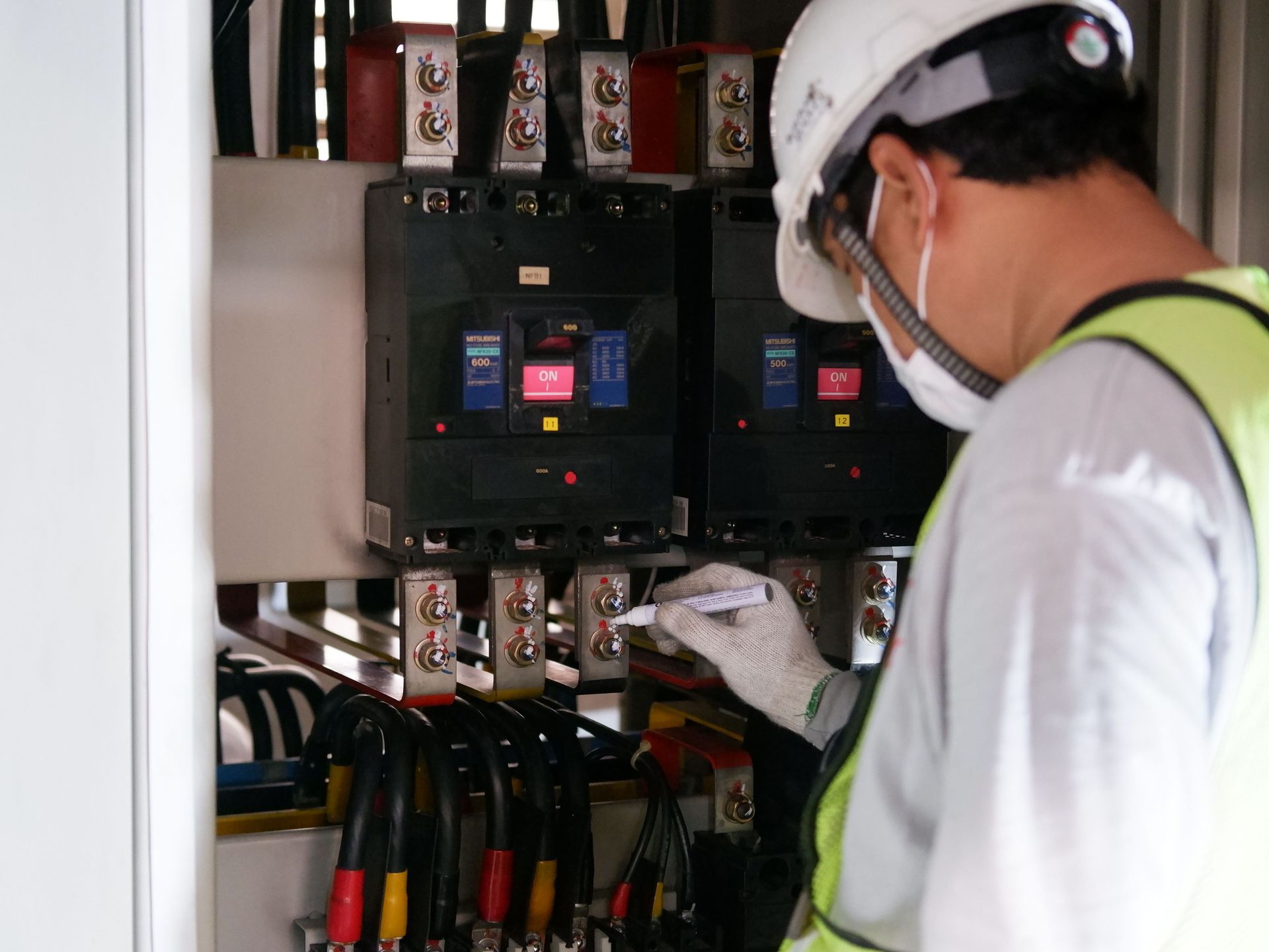
When we assess your commercial building we look at the complete electrical picture including the control panel, device placement, hardwired connections, power supply, notification coverage, and monitoring connection to verify your building meets current Pennsylvania commercial fire detection requirements.
Protection That Actually Works When It Matters
A battery powered smoke detector on the ceiling gives you the feeling of fire protection without delivering what your commercial building actually needs. In Northeastern Pennsylvania that gap between appearance and reality has real consequences for the safety of everyone in your building, your legal compliance under Pennsylvania code, and your insurance coverage when you need it most.
Call Bee-lectric at (570) 325-5808 to schedule your commercial smoke detection assessment in Northeastern Pennsylvania.