What Are the 12 Types of Electrical Panels?
Your home's electrical panel serves as the nerve center of your entire electrical infrastructure, managing the flow of electricity from the utility company to every outlet, light fixture, and appliance throughout your property. Also referred to as a breaker box, load center, or service panel, this critical component determines how safely and efficiently your home receives and distributes electrical power. Selecting the appropriate panel type impacts everything from your home's electrical capacity to the safety of everyone inside.
How Electrical Panels Function
The electrical panel receives incoming power from your utility provider through the service entrance and divides that electricity into individual branch circuits serving different areas of your home. Each circuit connects to a circuit breaker designed to interrupt power flow when it detects dangerous conditions like overloads or short circuits. This automatic protection prevents wire overheating, equipment damage, and electrical fires.
Panel capacity is measured in amperage, with residential installations commonly ranging from 100 amps to 200 amps depending on home size and electrical requirements. Older properties may have smaller 60-amp or 100-amp services, while larger modern homes with extensive appliance loads might require 400-amp service. Understanding your power needs helps determine which panel configuration works best for your situation.
Exploring the 12 Different Electrical Panel Types

1. Main Breaker Panel
Main breaker panels represent the most widely installed panel configuration in contemporary residential and commercial properties. These panels feature a large double-pole main breaker controlling power to the entire electrical system. This master switch enables you to de-energize your complete electrical installation with one motion, which proves invaluable during maintenance, emergencies, or when working on electrical components.
2. Main Lug Panel
Main lug panels provide an alternative design lacking a main circuit breaker. Instead, these panels use main lugs and substantial terminal connections where incoming service conductors attach directly to the panel's bus bars. You'll typically encounter main lug panels serving as sub-panels or in installations where the main disconnect exists at another location, such as an outdoor meter-main combination.
3. Sub-Panel
Sub-panels function as distribution points branching from your main electrical panel to serve remote areas of your property. These auxiliary panels prove especially valuable in detached garages, workshops, home additions, or distant wings of larger residences. Rather than running multiple individual circuits across long distances back to the main panel, you can install one larger feeder circuit to a sub-panel and distribute power locally.
4. Transfer Switch Panel
Transfer switch panels form essential components in standby power systems, enabling safe switching between utility power and backup generator electricity. These specialized panels prevent the dangerous condition called back-feeding, where generator power flows backward into utility lines, potentially electrocuting utility workers or damaging transformer equipment. Bee Lectric specializes in electrical panel installation and system upgrades, serving Throop and the surrounding region. Our experienced team helps you select the right panel configuration for your specific needs. Contact us at (570) 525-5908 to discuss your electrical panel requirements.
5. Fuse Box Panel
Fuse box panels represent earlier electrical panel technology predating modern circuit breakers. These panels use screw-in fuses or cartridge fuses containing metal elements that melt when excessive current flows through them. Unlike resettable circuit breakers, blown fuses require replacement with new units matching the proper amperage rating.
6. Tandem Breaker Panel
Tandem breaker panels accommodate special space-saving circuit breakers containing two independent circuits within a single breaker position. These duplex breakers allow installation of additional circuits without upgrading to a larger panel enclosure. Each half of a tandem breaker operates independently, protecting its assigned circuit while occupying only half the space of a standard breaker.
7. GFCI Panel
Ground Fault Circuit Interrupter panels integrate GFCI protection at the circuit breaker level rather than relying solely on GFCI receptacles. These panels continuously monitor circuit current, detecting even tiny imbalances indicating current leakage to ground. When the panel senses a ground fault condition, it disconnects power in milliseconds, preventing potentially fatal electrical shock.
8. AFCI Panel
Arc Fault Circuit Interrupter panels provide advanced protection against electrical arcing, a leading cause of residential fires. Damaged insulation, loose terminals, or deteriorating connections can create dangerous arcs producing intense heat capable of igniting nearby combustible materials. AFCI breakers analyze the electrical signature of each circuit, distinguishing between normal arcing (like motor brushes or switch contacts) and dangerous arc faults.
9. Smart Electrical Panel
Smart panels represent cutting-edge electrical panel technology incorporating digital monitoring, remote control, and energy management capabilities. These advanced panels connect to your home network, providing real-time visibility into energy consumption for each circuit through smartphone applications or web interfaces. You can monitor usage patterns, receive alerts about electrical anomalies, and even control individual circuits remotely.
10. Solar Panel Junction Box
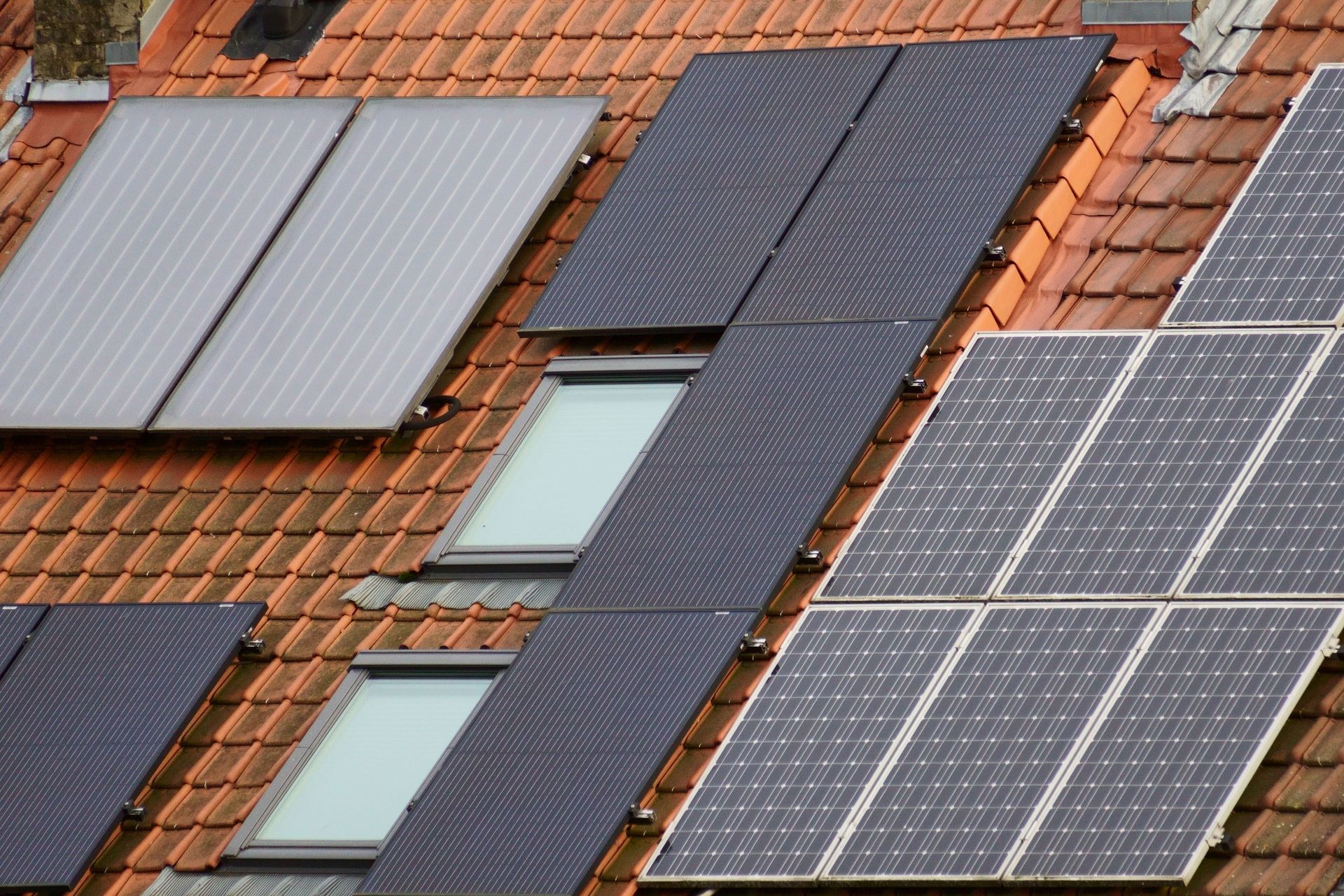
Properties equipped with photovoltaic solar arrays require specialized junction boxes managing the interface between solar panels and the building's electrical system. Solar junction boxes consolidate DC power from multiple solar panels, route it through inverters converting DC to AC power, and integrate solar-generated electricity with your conventional electrical panel.
11. Critical Load Panel
Critical load panels separate your electrical circuits into essential and non-essential categories, optimizing backup power system design. During utility power outages, your generator or battery backup system supplies only the critical load panel, which serves carefully selected circuits powering refrigeration, heating systems, well pumps, medical devices, and security systems.
12. Busway Panel
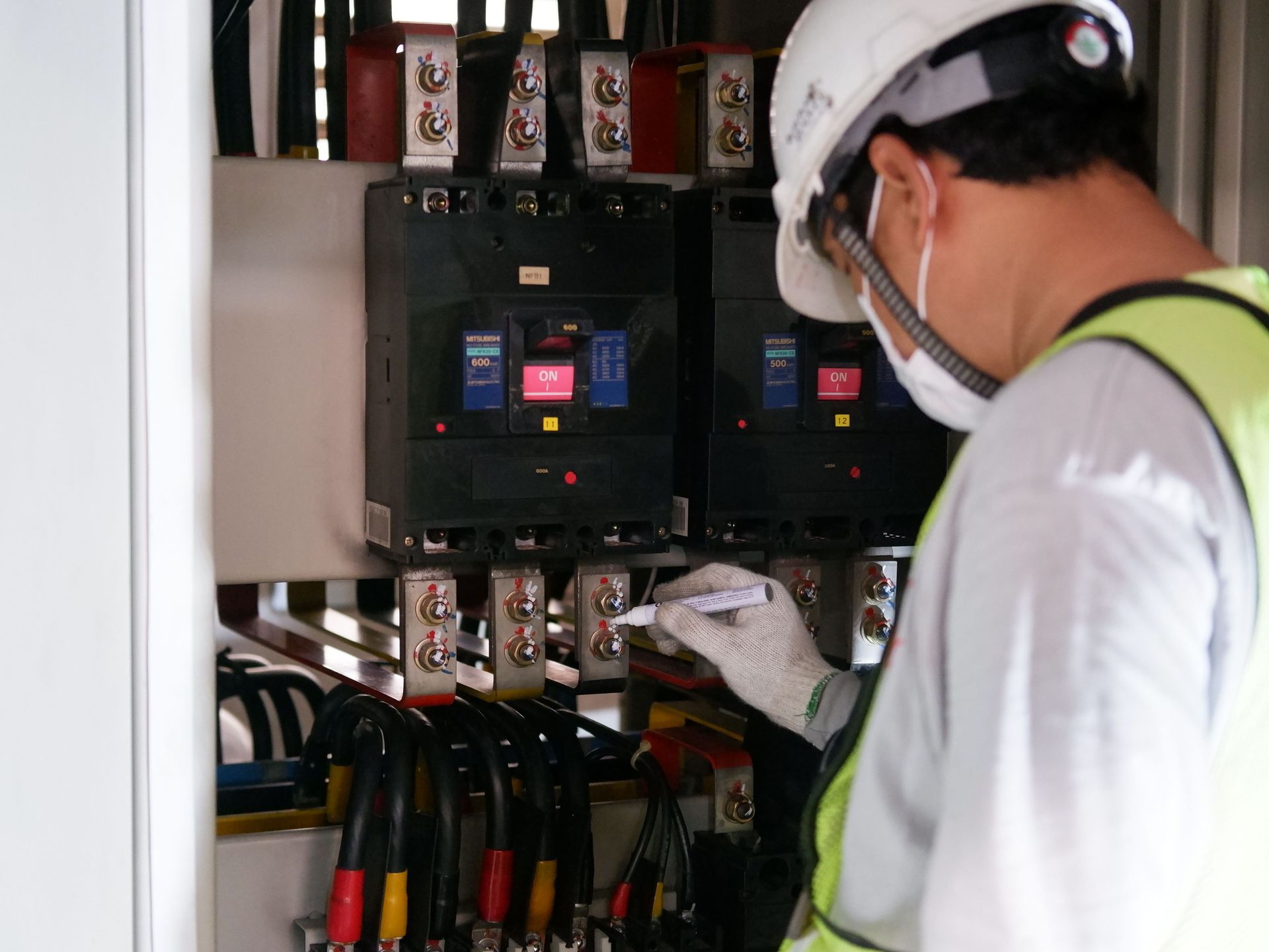
Busway panels utilize prefabricated metal enclosures containing insulated bus bars to distribute large amounts of electrical power efficiently. Also called bus duct systems, these installations primarily serve commercial and industrial facilities requiring flexible, high-capacity power distribution. Busway systems accommodate frequent reconfiguration as facility layouts change, making them ideal for manufacturing plants, data centers, and commercial kitchens.
Selecting the Appropriate Panel Configuration
Choosing the right electrical panel involves analyzing multiple factors, including current electrical demand, anticipated future growth, local code requirements, and budget considerations. Your panel should provide adequate capacity for existing loads plus reserve capacity accommodating future additions. Electrical professionals typically recommend maintaining at least 20% spare capacity for expansion.
Most modern residential properties function well with 200-amp main breaker panels equipped with combination AFCI/GFCI circuit breakers. Commercial facilities may require significantly larger services, multiple panels, or specialized panel configurations based on their operational requirements. Properties incorporating solar power, backup generation, or electric vehicle charging need panels compatible with these systems.
Indicators Your Panel Requires Replacement
Several warning signs suggest you should upgrade electrical panel or replacement. Breakers that trip frequently indicate inadequate circuit capacity or developing electrical faults. Panels exhibiting warmth, discoloration, unusual odors, or buzzing sounds demonstrate potentially dangerous conditions requiring immediate professional evaluation. Visible corrosion or rust indicates moisture penetration compromising electrical safety.
Panels still using fuses rather than circuit breakers, or panels lacking capacity for modern appliances and electronics, should be upgraded to contemporary standards. Homes constructed more than four decades ago often contain electrical panels inadequate for current electrical demands and safety expectations.
The Importance of Professional Installation
Electrical panel work demands specialized knowledge, proper equipment, and rigorous safety protocols. Licensed electricians understand load calculations, grounding requirements, bonding procedures, and installation techniques ensuring safe, reliable operation. They maintain the necessary insurance coverage and licensing required to obtain permits and secure inspection approvals.
Attempting DIY electrical panel work creates serious risks, including electrocution, fire hazards from improper connections, and code violations potentially affect insurance coverage and property values. Even seemingly straightforward tasks like breaker replacement should be entrusted to qualified professionals who understand the intricate relationships within electrical distribution systems.
Conclusion
Familiarizing yourself with the twelve electrical panel types empowers you to make informed decisions about your property's electrical infrastructure. From standard main breaker panels serving most residential needs to specialized panels for solar integration, backup power, and smart home technology, each panel type offers distinct capabilities and advantages.
Whether you're constructing new buildings, upgrading existing panels, or expanding electrical capacity for additional circuits, selecting the appropriate panel type ensures safe, efficient power distribution for decades to come. Bee Lectric advocates for modern panels incorporating AFCI and GFCI protection, delivering superior safety compared to older designs, while smart panels provide unprecedented control and energy monitoring functionality.
Ready to upgrade your electrical panel or need expert recommendations for your specific situation? Bee Lectric delivers professional electrical services throughout Throop with unwavering commitment to safety, quality workmanship, and customer satisfaction. Our licensed electricians provide comprehensive panel installation, upgrades, and maintenance services. Call Bee Lectric at (570) 525-5908 to arrange your electrical panel assessment.