Are Your Outlets Overloaded? How to Spot Hidden Electrical Risks in Your Throop Home
Electrical outlet overloads remain among the most prevalent yet frequently ignored safety hazards in residential properties. Many homeowners unknowingly create dangerous conditions by connecting too many devices to individual outlets through power strips and multi-plug adapters. These seemingly convenient solutions can trigger devastating consequences including house fires, equipment destruction, and life-threatening electrical shocks. Recognizing the warning indicators of overloaded circuits and understanding safe electrical practices safeguards your household and valuable possessions.
The Science Behind Outlet Limitations
Each outlet installed in your residence carries a designated amperage limit determining its safe electrical capacity. Typical household outlets connect to either 15-amp or 20-amp circuits, with the circuit breaker rating determining maximum safe load. Every appliance and device you connect draws specific amperage, and the combined draw from all connected items cannot safely exceed the circuit's rated capacity without creating hazardous conditions.
The cumulative effect of multiple devices catches many people off guard. Consider that a standard space heater consumes approximately 12-15 amps by itself, consuming nearly the entire capacity of a 15-amp circuit. Adding even small additional loads like phone chargers or lamps to that same circuit pushes it beyond safe operating limits. Power strips compound this problem by creating the illusion of increased capacity when they merely provide additional connection points without changing the underlying circuit limitation.
Recognizing Overload Warning Indicators
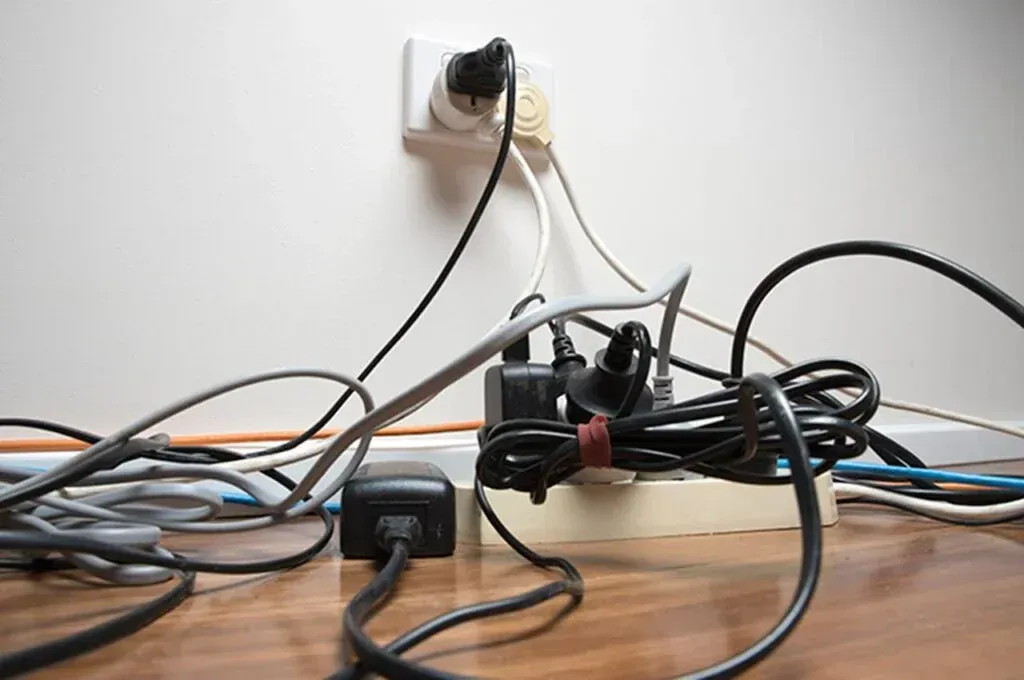
Learning to identify overload symptoms enables you to address emerging problems before they escalate into emergencies. Circuit breakers tripping repeatedly demonstrate that connected loads exceed safe circuit capacity. While breakers perform their intended protective function by interrupting power, persistent tripping reveals underlying problems demanding professional evaluation and corrective action.
Outlets generating noticeable heat provide unmistakable danger signals. Properly functioning outlets should remain cool or barely warm to the touch. Excessive heat develops from current levels approaching or exceeding safe limits, or from deteriorating connections creating electrical resistance. Outlet faces showing discoloration, particularly brown or black staining around plug slots, indicate previous overheating or arcing events. Such damage confirms the outlet has experienced dangerous conditions requiring immediate replacement.
Notice whether lights dim momentarily when specific appliances activate. This dimming effect typically indicates multiple high-draw devices sharing an overloaded circuit. Unusual sounds including buzzing, crackling, or sizzling from outlets or wall switches signal loose connections or internal arcing. Any detectable burning odor near electrical components demands immediate attention and may justify contacting emergency services. Our qualified electricians evaluate circuit loads and propose remedies including electrical panel installation when your home requires additional electrical capacity. Schedule your safety assessment by calling (570) 525-5908 today.
Root Causes of Circuit Overloading
Understanding overload causes helps prevent hazardous situations from developing. Power strips and extension cords create the most common overload scenarios. Widespread misconception suggests power strips somehow increase available electrical capacity at outlets. The reality is power strips only multiply connection points while the outlet and circuit capacity remains absolutely unchanged.
Energy-intensive appliances constitute another primary overload factor. Portable heaters, window-mounted air conditioning units, hair styling tools, electric kettles, and toasters demand substantial current. Operating several high-consumption devices simultaneously on shared circuits virtually guarantees overload conditions. Kitchens and bathrooms face particular vulnerability because these spaces concentrate multiple appliances within confined areas served by limited circuits.
Electrical Load Management Strategies
Adopting prudent outlet usage habits substantially reduces electrical fire hazards. Never connect high-wattage appliances like space heaters, portable air conditioners, or major kitchen appliances through power strips. These devices require direct connection to wall outlets, preferably on dedicated circuits designed specifically for high-demand equipment. Eliminate power strip daisy-chaining completely, and avoid routing cords beneath carpets or rugs where deterioration escapes notice.
Strategically distribute electrical loads across your home's available circuits rather than concentrating devices in limited areas. Heavy reliance on power strips in particular rooms signals insufficient outlet availability requiring additional installations. Disconnect devices during non-use periods, particularly phone chargers and small appliances continuing to draw standby power when switched off.
Professional Electrical Service Requirements
Certain electrical conditions necessitate expert intervention. Breakers tripping regularly, inadequate outlet quantities in specific rooms, or significant power strip dependence all indicate your electrical system requires professional assessment. Bee Lectric evaluates your property's electrical capacity and recommends appropriate solutions ranging from additional circuit installation to complete electrical panel replacement.
Properties exceeding four decades in age benefit substantially from comprehensive electrical system inspections. Older wiring technologies including aluminum conductors or cloth insulation present elevated fire hazards. Licensed electricians identify obsolete components and develop modernization strategies enhancing both safety and code compliance.
Safeguarding Your Investment
Electrical safety extends beyond mere convenience as it protects your largest financial investment and your family's wellbeing. The National Fire Protection Association documents that electrical system failures ignite thousands of residential fires yearly, causing hundreds of fatalities and billions in property losses. Overloaded outlets and circuits contribute significantly to these tragic statistics.
Bee Lectric comprehends the distinct electrical challenges confronting Throop homeowners. Our experienced team delivers expert electrical services encompassing outlet additions, circuit expansions, panel modernization, and detailed safety evaluations. We identify concealed electrical hazards and implement protective solutions accommodating modern electrical requirements while preserving safety.
Conclusion
Overloaded outlets constitute serious yet preventable electrical threats. Recognizing indicators, including frequent breaker trips, warm outlets, and light flickering, enables early problem identification. Understanding outlet capacity limitations and implementing safe usage practices prevents dangerous overload conditions. Modern living demands robust electrical systems supporting our technology-dependent lifestyles. Professional electricians install additional circuits and outlets while verifying your system safely accommodates your household's requirements, protecting property value and delivering peace of mind.
Schedule Your Electrical Safety Inspection Today
Prepared to address electrical hazards in your residence? Contact Bee Lectric at (570) 525-5908 to arrange a complete electrical safety inspection. Our skilled electricians serve Throop with dependable, professional service, prioritizing your family's protection from electrical dangers.