How to Know If Your Exhaust Fan Wiring in Northeastern Pennsylvania Is Actually Safe and Up to Code
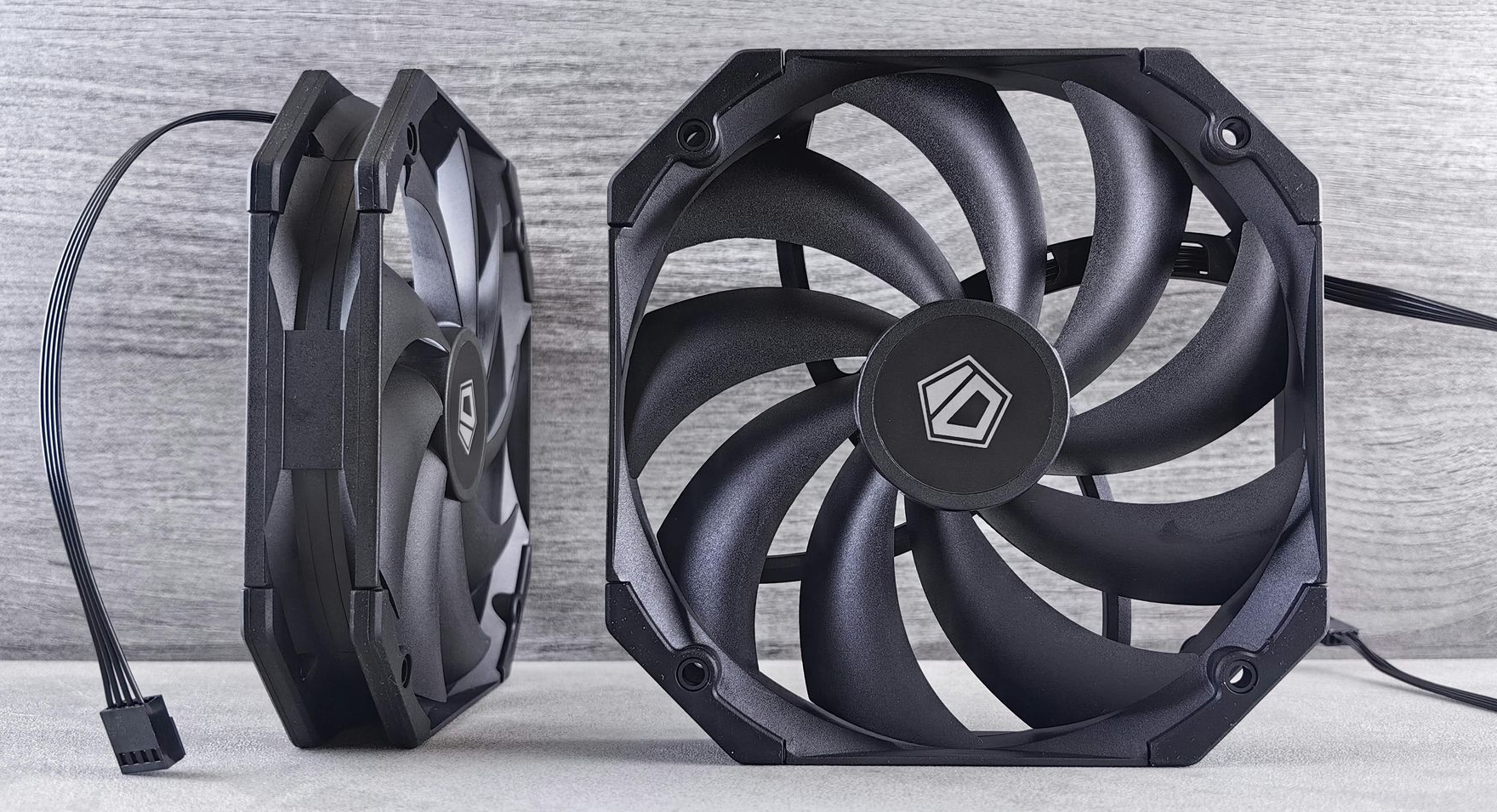
Most property owners in Northeastern Pennsylvania never think twice about the exhaust fan in their bathroom, commercial kitchen, or utility space. It turns on when you flip the switch. It makes noise. You assume it is doing its job. What you cannot see is whether the wiring behind it is actually safe and whether it meets the code requirements that apply to your specific property in Pennsylvania.
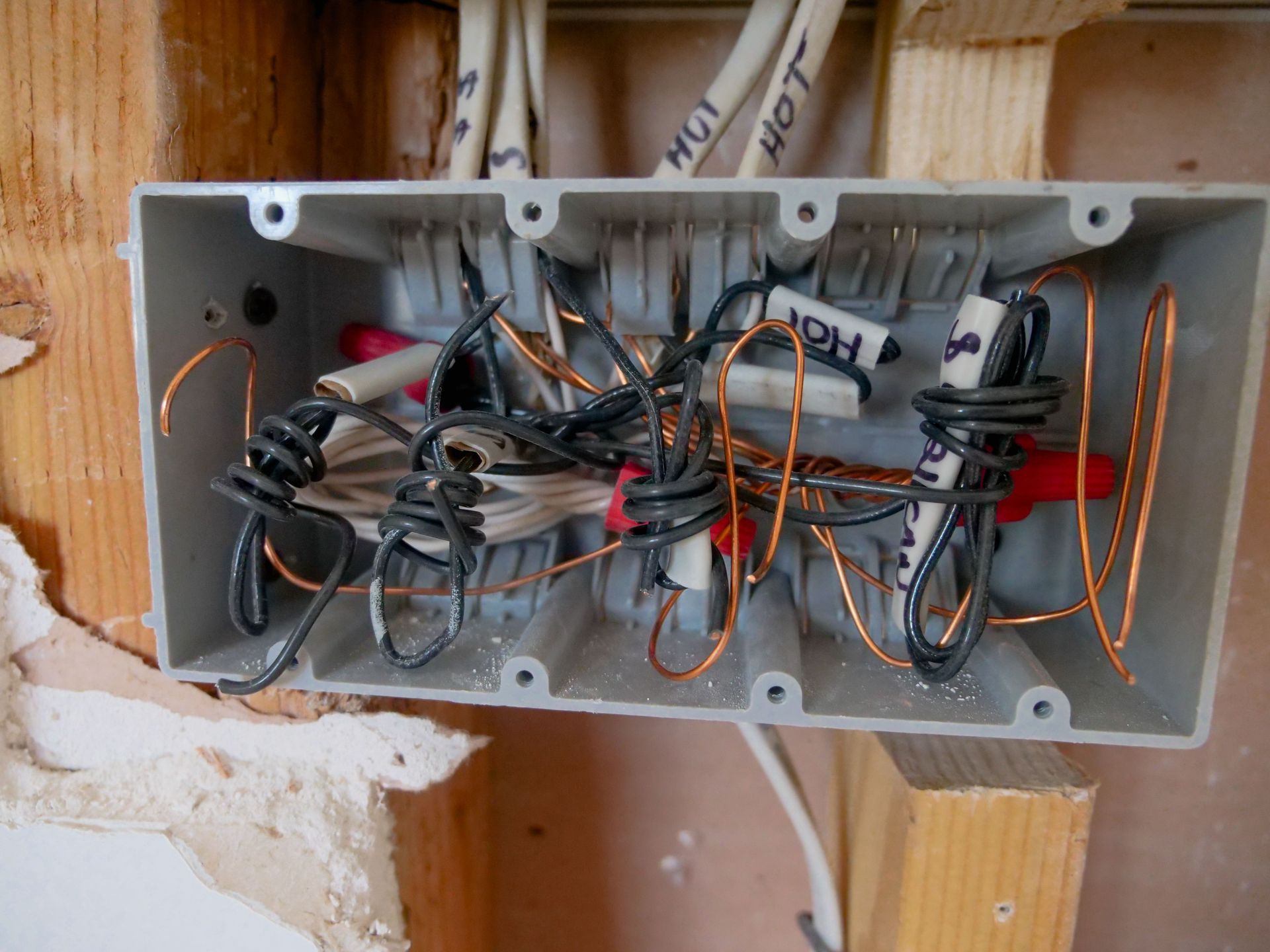
Exhaust fan wiring is one of the most commonly incorrect electrical installations found in both residential and commercial properties across Scranton, Wilkes-Barre, Throop, and the surrounding NEPA region. The mistakes range from wrong wire gauge to missing GFCI protection to fans that are wired directly into circuits they should never share. Most of those mistakes are invisible from the outside.
What Pennsylvania Code Actually Requires for Exhaust Fan Wiring
Pennsylvania follows the National Electrical Code also known as NFPA 70 as the standard for all electrical installations including exhaust fan wiring in residential and commercial properties. The NEC is the benchmark standard for electrical design inspection and installation of systems in residential commercial and industrial occupancies.
For exhaust fans specifically the requirements cover several areas that are frequently missed in DIY installations and even in work done by unlicensed contractors.
Wire gauge and circuit capacity
The minimum wire for a 20 amp circuit is 12 AWG copper. For wire runs over 50 feet you may need to upsize to 10 AWG to keep voltage drop under 3 percent. Using wire that is too small for the circuit creates resistance that generates heat in the wiring.
GFCI protection requirements
This is paragraph text. Click it or hit the Manage Text button to change the font, color, size, format, and more. To set up site-wide paragraph and title styles, go to Site Theme.
Circuit sharing rules
A bathroom exhaust fan on a separate switch can share the lighting circuit but receptacle outlets must be on the dedicated 20 amp circuit. The required bathroom circuit can serve one or more bathrooms but cannot serve other rooms.
Pennsylvania exhaust fan ventilation requirements
A bathroom that does not have an operable outside window shall be equipped with an exhaust fan for ventilation. This Pennsylvania code requirement means that in any bathroom or restroom in your NEPA property without a window the exhaust fan is not optional. It is a mandatory ventilation requirement. A fan that exists but is wired incorrectly and does not operate properly is a code violation even if the fan is physically present.
Permits and inspections
Most installations involving a new exhaust fan or modification of existing components require a mechanical and electrical permit. The permitting process allows the authority having jurisdiction to review the scope of work and schedule necessary inspections. The most relevant inspection is the rough-in inspection which must occur after the fan ductwork and wiring are secured but before they are concealed by drywall.
In NEPA properties where exhaust fan work was done without permits there is no documentation that the installation was inspected or that it meets current Pennsylvania code standards. That absence of documentation creates liability during property sales insurance reviews and any future electrical work that requires a licensed electrician to assess the existing system.
Call Bee-lectric at (570) 325-5808 to schedule an exhaust fan wiring assessment for your NEPA property today.
The Most Common Exhaust Fan Wiring Problems Found in NEPA Properties
Understanding what actually goes wrong with exhaust fan wiring helps you recognize the conditions that create problems before they become inspection failures or safety incidents.
Wrong wire gauge for the circuit
Using 14 AWG wire on a 20 amp circuit or extending an existing circuit with wire that is smaller than the original run creates a mismatch between what the circuit can carry and what the wire can safely handle. The breaker protects the wire it was designed for not the undersized extension that was added later.
Missing or bypassed GFCI protection
GFCI protection in moisture-prone environments is one of the most important safety requirements in bathroom and kitchen exhaust fan installations. In older NEPA properties especially those where exhaust fans were added or replaced without permits GFCI protection is frequently absent entirely.
Fan wired into a shared circuit serving other rooms
This is the circuit sharing violation described above. When an exhaust fan is wired into a circuit that extends beyond the bathroom or kitchen into other areas of the property that circuit is carrying more load than code allows for that specific application.
No dedicated ground wire
The equipment grounding conductor must be continuous from the panel to the appliance. For a 20 amp circuit the minimum ground wire is 12 AWG copper per NEC Table 250.122. Exhaust fans installed without a continuous ground create shock hazard conditions that are invisible during normal operation and only reveal themselves when a ground fault occurs.
Ductwork terminated incorrectly
Exhaust ducts shall terminate on the outside of the building. Exhaust duct terminations shall be equipped with a backdraft damper. In NEPA properties where exhaust fans were installed without permits or professional oversight the ductwork frequently terminates in the attic crawl space or wall cavity rather than outside the building.
Warning Signs Your Exhaust Fan Wiring Has a Problem
These are the signs you can observe from the outside that indicate the exhaust fan wiring in your NEPA property needs professional evaluation.
The circuit breaker trips when the exhaust fan runs
A breaker that trips specifically when the exhaust fan operates indicates that the circuit is being overloaded. Either the fan is drawing more current than the circuit is rated for or the circuit is already loaded from other devices sharing it and the fan pushes it past its limit. This is a wiring problem not a breaker problem.
The fan runs on the same switch as lights in another room
If flipping a switch in a hallway, bedroom, or any other room outside the bathroom or kitchen also controls the exhaust fan those devices are sharing a circuit in a way that may not comply with current code requirements. This needs evaluation before any additional work is done on that circuit.
The exhaust fan produces a burning smell during operation
A burning smell from the fan or from the ceiling area around it during operation indicates that wiring in the circuit is overheating. This is an emergency warning sign that requires immediate attention. The fan should not be operated again until a licensed electrician has evaluated the wiring.
Outlets or switches near the exhaust fan feel warm
Warmth at outlets or switch plates in the same area as the exhaust fan indicates heat buildup in the wiring behind those devices. This points to resistance in the circuit from an undersized wire, a loose connection, or an overloaded circuit.
The fan was installed without a permit
If you know or suspect that the exhaust fan in your NEPA property was installed without the required electrical and mechanical permits there is no documentation that the installation was inspected or approved. That means the wiring, circuit, GFCI protection, and ductwork termination have never been verified by an authority having jurisdiction in Pennsylvania.
What to Do If You Recognize Any of These Warning Signs
The right first step is a professional evaluation of your exhaust fan wiring by a licensed electrician who understands both the NEC requirements that apply to exhaust fan installations in Pennsylvania and the specific code requirements enforced by the authority having jurisdiction in your NEPA municipality.
Before calling gather the following information: whether the exhaust fan installation was permitted and inspected, the age of the existing installation, whether any breaker trips have occurred on that circuit, whether GFCI protection is present in the same space as the fan, and whether the ductwork terminates outside the building or in an enclosed space.
An Exhaust Fan That Is Wired Correctly Does Its Job Safely Every Time
An exhaust fan that operates without tripping breakers, without producing heat or burning smells, on a properly sized and protected circuit with correct GFCI protection and ductwork that terminates outside the building is doing exactly what Pennsylvania code requires and exactly what your property needs.
An exhaust fan that was installed without permits, on an overloaded circuit, without GFCI protection, or with ductwork that terminates in your attic is a code compliance problem and a safety issue that compounds over time in a moisture-prone environment.
Call Bee-lectric at (570) 325-5808 to schedule your exhaust fan wiring assessment in Northeastern Pennsylvania.