Common Signs of Poor Ceiling Fan Installation and Safety Risks You Should Not Ignore
A ceiling fan is one of the most common electrical fixtures in homes and commercial spaces across Northeastern Pennsylvania. It runs quietly in the background, keeps air moving across every season, and most people never give it a second thought after installation day. That is exactly the problem.
Poor installation can lead to wobbly fans, electrical hazards and even fire risks. To ensure your ceiling fan operates safely and efficiently it is essential to follow manufacturer instructions and adhere to electrical codes. A ceiling fan that was installed incorrectly does not always announce the problem immediately.
Why Ceiling Fan Installation Is More Complex Than It Looks
Most people underestimate what a proper ceiling fan installation actually involves. A ceiling fan is not a light fixture. A ceiling fan is not just a light fixture. It moves, vibrates and weighs more than it looks. A basic electrical box is not designed to handle that kind of load.
Beyond the mounting requirements the wiring demands of a ceiling fan are different from a standard light fixture. The fan motor and the light kit may require separate control circuits. The grounding must be correct to prevent shock hazards. The wire gauge must be appropriate for the load.
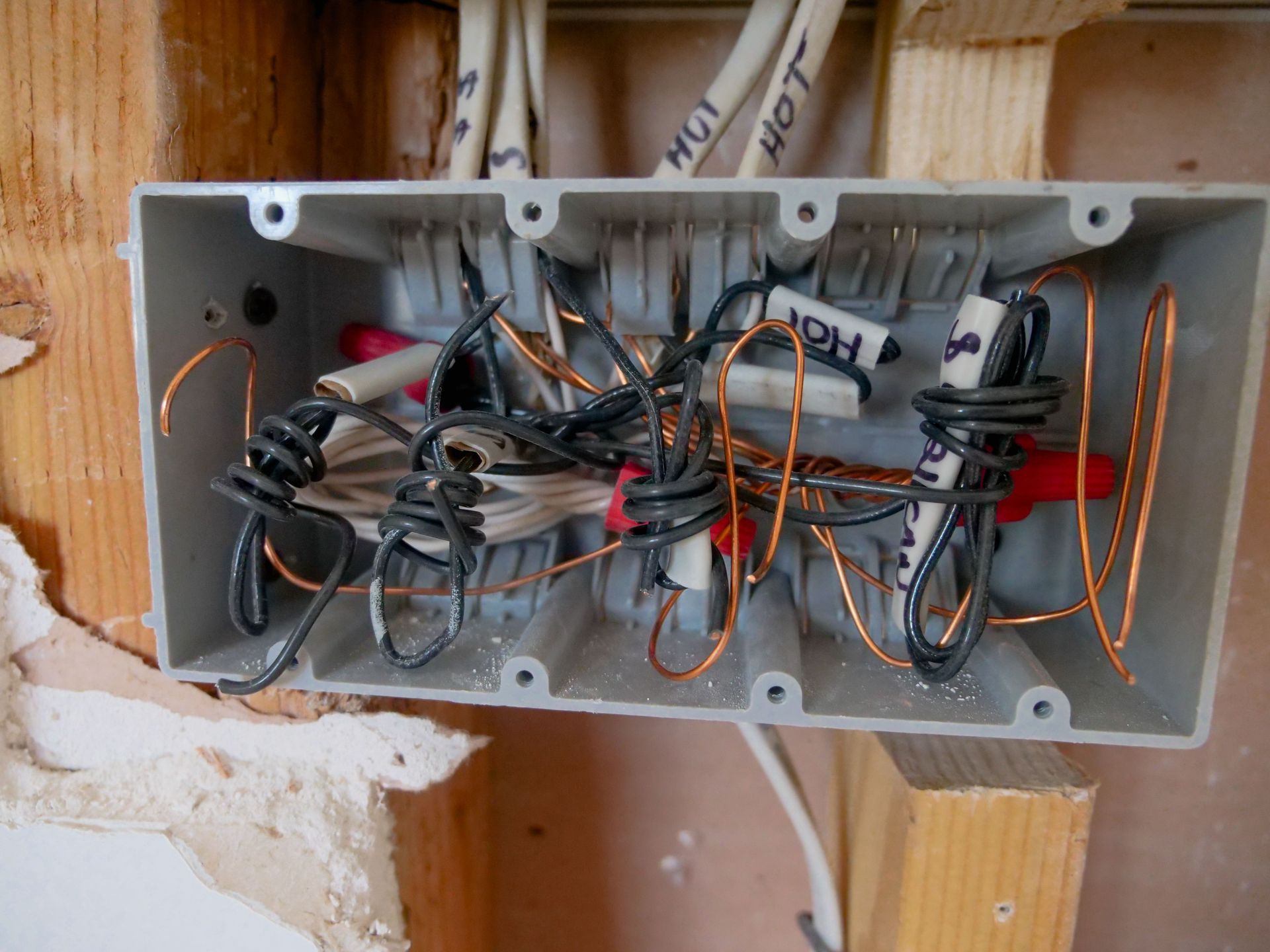
Improper wiring can create hot spots and thermal stress that heighten the likelihood of electrical fires. Overheated wire connections, overloaded circuits and the use of substandard electrical boxes are all contributors to home fires. According to the U.S. Fire Administration faulty electrical systems contribute to over 24,000 residential fires annually in the United States.
The Fan Wobbles During Operation
A fan that shakes hums or feels loose at the ceiling is a clear sign that something was not mounted or wired properly. Sometimes the issue is as simple as an unbalanced blade but other times it comes from using a standard electrical box instead of a fan-rated one.
Wobbling during operation means one of several things. The mounting bracket was not secured properly to the ceiling structure. The blades were not balanced correctly during assembly.
A wobbling fan can be a sign of loose screws, an unbalanced blade or a faulty mounting bracket. Inspect screws and brackets regularly. Loose screws can contribute to instability and should be tightened periodically.
A fan that wobbles slightly and has wobbled the same way since installation may have an unbalanced blade that can be corrected with a balancing kit. A fan that has developed a wobble over time that was not there originally is a different situation.
Unusual Noises From the Motor or Housing
A grinding sound indicates that internal motor components are making contact they should not be making. This can result from improper assembly of the motor housing during installation or from components that have shifted because the fan was not mounted with proper support from the start.
A clicking sound that repeats with every rotation indicates that something is loose. A blade, a blade bracket, or a component of the light kit that is making contact with another surface as it passes. Loose components in a spinning ceiling fan are a physical hazard not just a noise issue.
A persistent humming that is louder than normal fan operation indicates an electrical issue. Signs of overheating charring persistent buzzing or circuit failure require professional evaluation. Humming from the fan motor or from the wiring connections inside the housing can indicate that the fan is connected to a dimmer switch that is not compatible with ceiling fan motors, that the wiring connections inside the housing are loose and creating resistance, or that the motor is being operated outside its rated voltage range.
The Fan Works Intermittently or Not at All
If your ceiling fan will not turn on or only certain functions work after installation the problem usually comes down to wiring or control setup. The fan may be wired to the wrong switch, the remote receiver may not be connected properly or the circuit might not have enough capacity.
Intermittent operation is one of the most telling signs of a wiring problem. A fan that works sometimes and not others has a connection somewhere in the circuit that is making unreliable contact. That intermittent connection generates heat every time current flows through it trying to bridge the gap.
A fan where only certain functions work such as the light operates but the motor does not or the fan runs on one speed only points to incorrect wiring of the control circuits. This is a common outcome of DIY installations where the separate control wires for the fan motor and light kit are connected incorrectly.
Call Bee-lectric at (570) 325-5808 to schedule a ceiling fan inspection in Northeastern Pennsylvania today.

Burning Smell or Warmth Near the Fan or Ceiling
This is the warning sign that requires immediate action. No investigation. No waiting to see if it gets better on its own.
Besides shock and fire signs like circuit breakers tripping repeatedly burning odors or a fan that suddenly stops working should trigger immediate investigation. These symptoms do not just point to inconvenience.
A burning smell near a ceiling fan indicates that wiring insulation is overheating somewhere in the circuit. This can be at the connections inside the fan housing, at the junction box above the ceiling, or at a connection point further up the circuit. In any of these locations overheating wiring insulation is a fire hazard that needs to be addressed by a licensed electrician before the fan is operated again.
Warmth around the ceiling junction box or on the ceiling surface directly around the fan mount indicates the same condition. Heat that is radiating outward from the electrical connections above the fan means those connections are generating more heat than the materials around them can safely dissipate.
The Wrong Electrical Box Was Used
This is a warning sign that is invisible from the outside but is one of the most common installation errors found in NEPA properties.
Choose a UL-listed electrical box clearly marked suitable for ceiling fan support. For retrofit jobs use a brace kit that anchors firmly between ceiling joists.
Standard electrical boxes designed for light fixtures are rated for a static load only. They hold a fixture that hangs in place and does not move. A ceiling fan produces both static load from its weight and dynamic load from the movement and vibration of the motor during operation.
If your ceiling fan was installed by someone who did not specifically verify that the electrical box was fan-rated and UL-listed for ceiling fan support there is no way to confirm from the outside that the right box is in place without opening the installation and checking.
Incorrect Blade Clearance
Keep at least 7 feet of clearance. The bottom of the fan should be at least 7 feet above the floor to prevent injuries. Ensure at least 18 inches of space from walls or furniture. This prevents blades from hitting objects and causing damage.
A ceiling fan installed too low in a room with standard ceiling height is a physical hazard for anyone walking beneath it. A fan installed too close to a wall creates blade clearance issues that produce the clicking contact noise described earlier and can result in blade damage or physical contact with objects near the wall.
Clearance requirements are not aesthetic guidelines. They are safety minimums based on the physics of a spinning blade operating in an occupied space.
What to Do If You Recognize Any of These Warning Signs
The right response to any of these warning signs is a professional evaluation by a licensed electrician before the fan is operated again. Not a YouTube tutorial. Not a tightened screw. A professional evaluation that looks at the mounting, the electrical box, the wiring connections inside the housing, the grounding, the junction box above the ceiling, and the circuit the fan is connected to.
We serve properties across Scranton, Wilkes-Barre, Throop, Dunmore, Archbald, Moosic, Olyphant, and the surrounding Northeastern Pennsylvania region. When we inspect a ceiling fan installation we look at every component of the installation from the junction box above the ceiling to the blade brackets at the tips of the blades because that is the only way to confirm the installation is actually safe.
A Ceiling Fan Should Run Quietly and Safely for Years
A properly installed ceiling fan in your NEPA property runs quietly, stays solidly mounted, operates every function correctly, and never produces heat smells or unusual sounds. When any of those conditions change the fan is telling you something that deserves attention before it becomes a safety emergency.
Call Bee-lectric at (570) 325-5808 to schedule your ceiling fan inspection in Northeastern Pennsylvania.