How Pennsylvania Storms Are Quietly Destroying Electronics and Appliances in NEPA Properties Without Surge Protection
Last spring a single storm system moved across Pennsylvania and left more than 555,000 customers without power at the height of the event. For most people in Scranton, Wilkes-Barre, Throop, and the surrounding NEPA region the story ended when the power came back on. The lights flickered. The outage lasted a few hours. Things went back to normal.
What many of those property owners did not realize until days or weeks later was that the storm had already done its damage. Not from the outage itself. From the power surge that traveled through their electrical system the moment the grid fluctuated. A refrigerator that stopped cooling properly. A television that powered on but displayed nothing. A smart home hub that never reconnected. A HVAC control board that required a service call that cost hundreds of dollars to diagnose and replace.
This is how Pennsylvania storms destroy electronics and appliances in NEPA properties. Not with a dramatic explosion. Quietly. Through voltage spikes that last a fraction of a second and leave no visible evidence except the devices that no longer work the way they did before.
What a Power Surge Actually Is and Why Pennsylvania Creates So Many of Them
A power surge occurs when there is a sudden brief spike in electrical voltage. The standard voltage in most homes is 120 volts but during a surge this can increase significantly even reaching thousands of volts in extreme cases. These voltage spikes can overwhelm your electrical system damaging sensitive devices and appliances.
Pennsylvania creates ideal conditions for frequent power surges for two specific reasons.
First is lightning. Pennsylvania experiences an average of 150,000 lightning strikes annually. Northeastern Pennsylvania sits in a region that receives significant thunderstorm activity from late spring through early fall. A single lightning strike does not need to hit your property directly to send a surge through your electrical system.
Second is grid fluctuation during storm events. Power surges can be caused by lightning strikes utility grid fluctuations downed power lines and the restoration of power after an outage. When a storm damages utility infrastructure in NEPA and power companies switch between circuits, restore service after outages, or reroute power through alternate pathways those switching events send voltage spikes through the system. The moment power is restored after an outage is one of the most reliable surge events that occurs in any NEPA property during storm season.
What Pennsylvania Storm Surges Are Doing to Your NEPA Property Right Now
The damage pattern from repeated power surges in NEPA properties follows a predictable progression that most property owners do not connect to their electrical system until something expensive stops working.
Smart home devices and electronics
Modern electronics are built around microprocessors and circuit boards that operate at very low voltages with extremely tight tolerances. Lightning-induced power surges can severely damage devices connected to electrical outlets including televisions computers smart home hubs and any device requiring a direct power source. These components have almost no tolerance for voltage spikes. A surge that a refrigerator motor might absorb without noticeable immediate damage can permanently destroy a smart TV circuit board or a computer motherboard.
HVAC systems and appliances
Your HVAC system contains one of the most surge-vulnerable components in any NEPA property. The control board that manages your heating and cooling system is a sophisticated electronic device that costs hundreds to thousands of dollars to replace. Whole house surge protection extends the lifespan of valuable devices such as refrigerators HVAC systems and electronics allowing them to function efficiently over longer periods.
The cumulative damage problem
This is the most important thing to understand about power surges in NEPA properties. Most surge damage is not dramatic. It is cumulative. While a single large surge such as a direct lightning strike can cause immediate and catastrophic damage most surge damage occurs gradually through repeated smaller surges that degrade electronics over time.
Every time a storm moves through Scranton or Wilkes-Barre and causes grid fluctuations your unprotected electronics absorb a small amount of damage. Your television that stopped working three years after you bought it. Your refrigerator compressor that failed at year six instead of year twelve. Your HVAC control board that needed replacement two seasons after installation.
Call Bee-lectric at (570) 325-5808 to schedule a whole house surge protection installation for your NEPA property today.
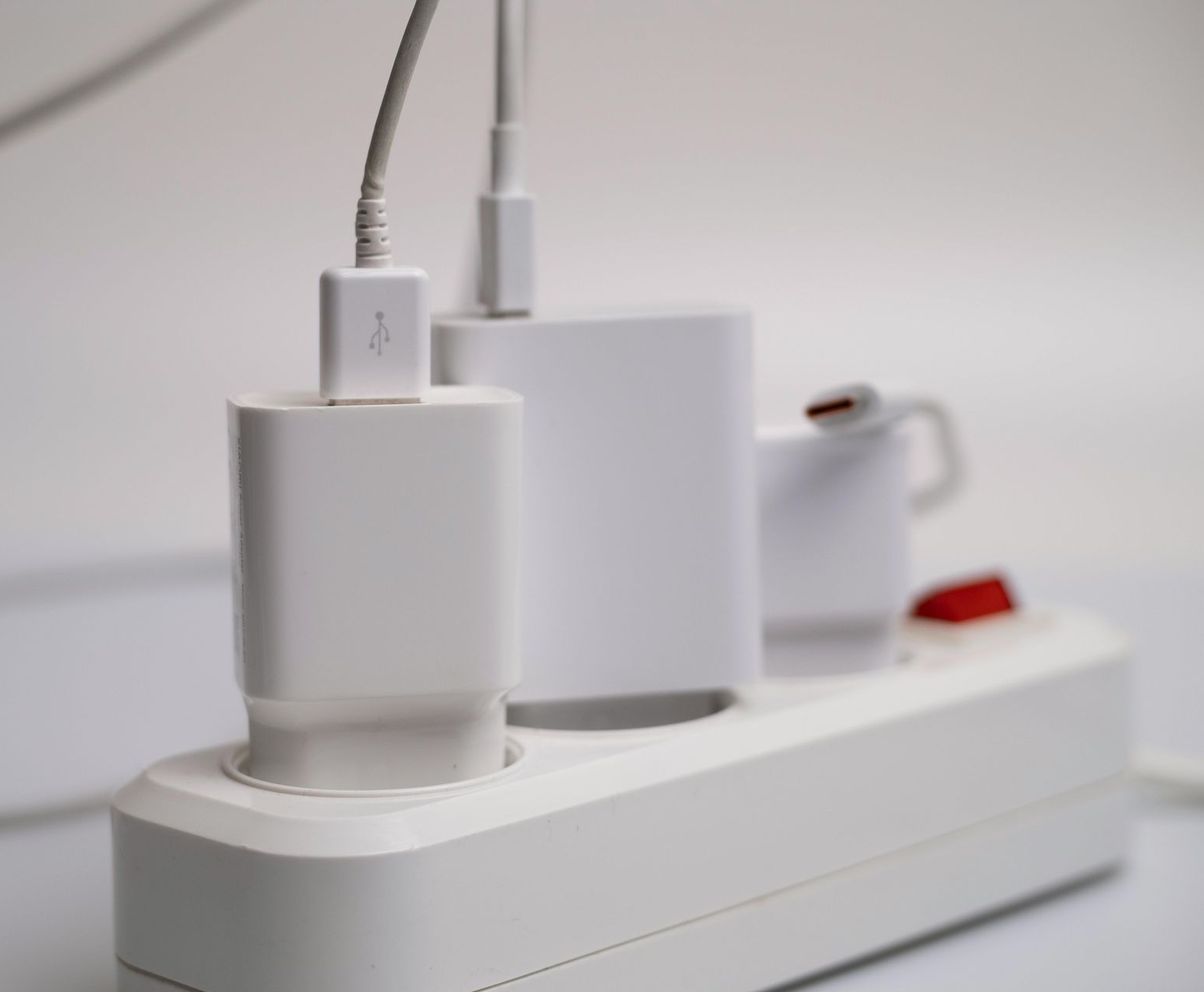
Why the Power Strip in Your NEPA Property Is Not Protecting You
This is the most common misconception among property owners in Northeastern Pennsylvania. A power strip with surge protection printed on the label is not whole house surge protection. It is not even close.
While surge protector power strips provide some protection they are not sufficient to handle large surges such as those caused by lightning strikes. Whole house surge protection installed at the main electrical panel provides a much higher level of protection by intercepting surges before they can reach your devices.
A power strip surge protector sits at the end of the circuit. By the time a surge traveling through your NEPA electrical system reaches that power strip it has already passed through every other connected device in your building that is not plugged into that specific strip. Your refrigerator. Your HVAC system. Your washer and dryer. Your water heater. None of those are plugged into a power strip.
Power strip surge protectors also have a limited capacity measured in joules. A large surge from a nearby lightning strike can exceed that capacity in a single event rendering the power strip's protection permanently depleted without any visible indication that it has stopped working. The indicator light stays green. The strip still powers devices. But the surge protection component is gone.
What Whole House Surge Protection Installation Actually Does in Your NEPA Property
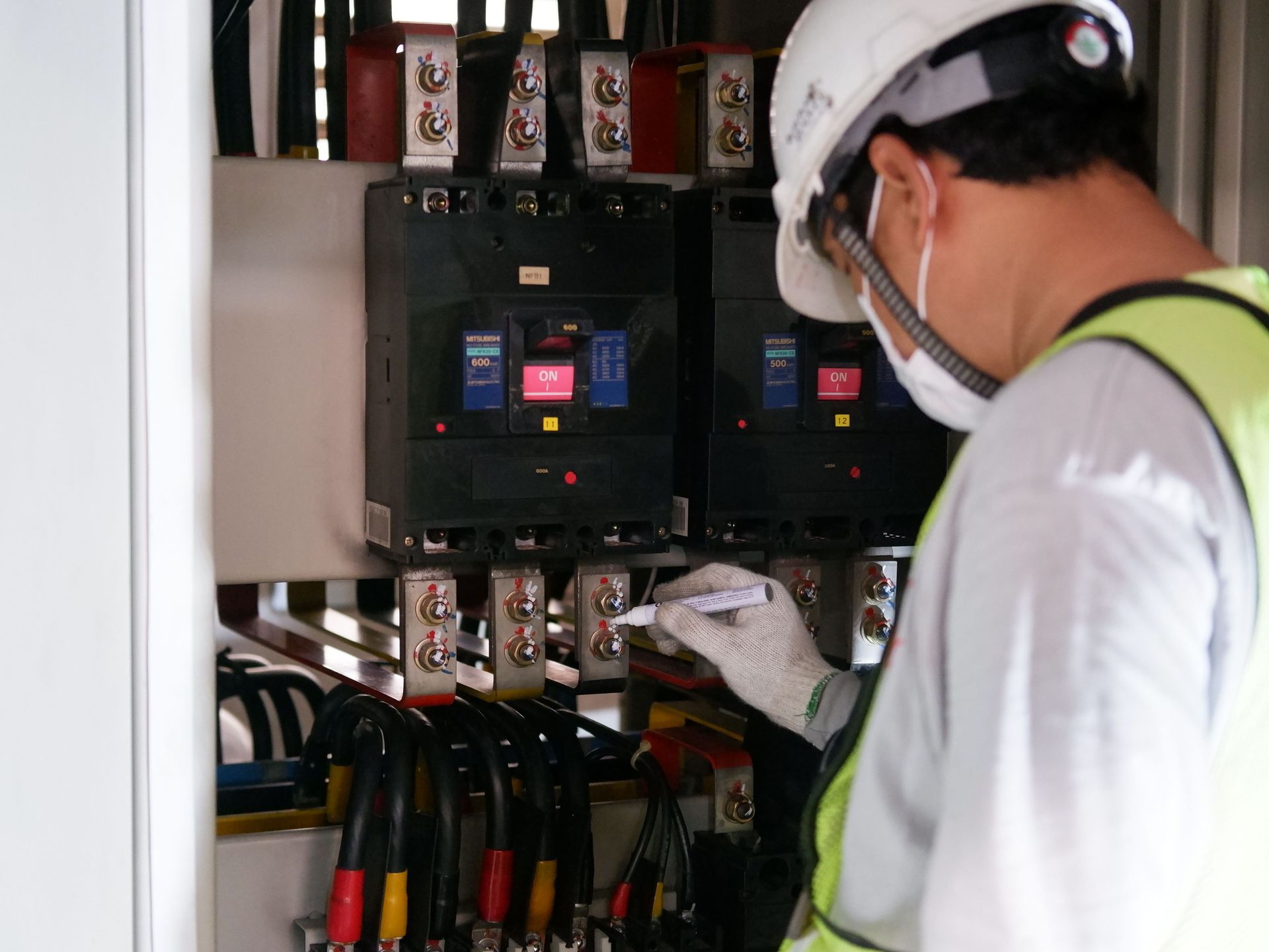
Whole house surge protection installs at your main electrical panel where it intercepts voltage spikes before they travel through your wiring to any connected device.
Article 230.67 of NEC 2020 specifies two types of surge protection devices. Type 1 SPDs are installed before the main device in the load center while Type 2 SPDs are positioned on the load side. Type 3 SPDs are installed closer to actual equipment or devices such as surge protected power strips. As part of current best practices combining Type 1 or Type 2 protection at the panel with Type 3 devices at sensitive equipment provides the most comprehensive protection available.
A properly installed whole house surge protection system in your NEPA property works in layers. The panel-level device intercepts large surges from lightning strikes and grid fluctuations before they reach your wiring. Point of use devices at computers, entertainment systems, and sensitive electronics provide a second layer of protection for the most vulnerable equipment. That layered approach addresses both the large catastrophic surge events and the smaller repeated surges that cause cumulative damage over time.
The NEC now requires surge protection on all new residential electrical service installations service upgrades and replacements. The purpose is to protect people from electrical hazards as well as to keep property safe from electrical fires caused by surge events.
What Every NEPA Property Owner Should Do Before the Next Storm Season
The right first step is a professional surge protection assessment and installation by a licensed electrician who understands both the NEC requirements for surge protection devices and the specific electrical panel configuration in your NEPA property.
Before calling gather the following information: the age and type of your current electrical panel, whether any surge protection devices are currently installed at the panel level, what electronics and appliances in your property represent the highest replacement cost if lost to a surge event, and whether you have experienced any unexplained device failures following storm events in recent years.
We serve residential and commercial properties across Scranton, Wilkes-Barre, Throop, Dunmore, Archbald, Moosic, Olyphant, and the surrounding Northeastern Pennsylvania region. When we assess a property for surge protection installation we look at the complete electrical picture including the panel configuration, existing protection, the most vulnerable connected equipment, and the best combination of panel-level and point of use protection for your specific property.
Protect Everything Connected to Your Electrical System
Every storm that moves through Northeastern Pennsylvania is an opportunity for voltage spikes to travel through your electrical system and degrade the electronics and appliances your home or business depends on. Without whole house surge protection installed at your panel every one of those events is costing you something even when nothing appears to fail immediately.
The NEPA property owners who protect their investment are the ones who install whole house surge protection before the next storm season rather than after the next expensive device failure teaches them why it matters.
Call Bee-lectric at (570) 325-5808 to schedule your whole house surge protection installation in Northeastern Pennsylvania.