Why Your Air Conditioner in Your Northeastern Pennsylvania Home Keeps Tripping the Circuit Breaker
It happens on the hottest afternoon of the summer. You are inside your Scranton or Wilkes-Barre home with the air conditioner running and everything feels fine. Then the AC stops. You check the panel and there it is. The breaker tripped again. You reset it. It runs for a while. Then it trips again.
This is not a minor inconvenience. A circuit breaker that trips repeatedly when your AC runs is your electrical system telling you that something is wrong. The breaker is not malfunctioning. It is doing exactly what it is designed to do which is interrupt the circuit before the wiring overheats and causes a fire. The problem is whatever is forcing it to activate.
Why a Tripping Breaker Is Never Something to Keep Resetting
Before getting into causes it is important to understand what is actually happening when your AC trips the breaker and why resetting it repeatedly without identifying the cause creates a real safety risk.
Your circuit breaker is a protective device. Circuit breakers are designed to prevent electrical overloads that could potentially cause fires or damage to your home's electrical system. When your AC draws more current than the circuit is designed to carry the breaker detects that overcurrent condition and trips to interrupt the circuit before the wiring overheats.
Every time you reset a tripping breaker without addressing the underlying cause you are allowing the same overcurrent condition to repeat. Repeated thermal stress on the breaker mechanism degrades it over time. Repeated overheating of the wiring behind the breaker degrades the insulation on those wires. Both outcomes create conditions that are worse than the original problem that caused the first trip.
The Most Common Causes of AC Breaker Trips in NEPA Homes
Dirty Air Filter Restricting Airflow
This is the most common and most easily corrected cause of AC breaker trips in Northeastern Pennsylvania homes.
Over time the filter can become clogged with debris making it harder for air to flow freely. As a result the air conditioner has to work harder to cool the home causing a rise in electricity usage. This increase in electricity usage can cause the circuit breaker to trip, disrupting the flow of power to the system.
When your air filter is clogged your AC system cannot move air efficiently. The blower motor works harder. The compressor runs longer trying to reach the set temperature. Both draw more current than normal operation requires. If that increased current draw pushes the circuit past its rated capacity the breaker trips.
Dirty Condenser Coils
Dirty air filters restrict airflow forcing your system to work harder and draw more power. Similarly dirty condenser coils prevent the system from releasing heat efficiently causing the compressor to run continuously and draw excessive current.
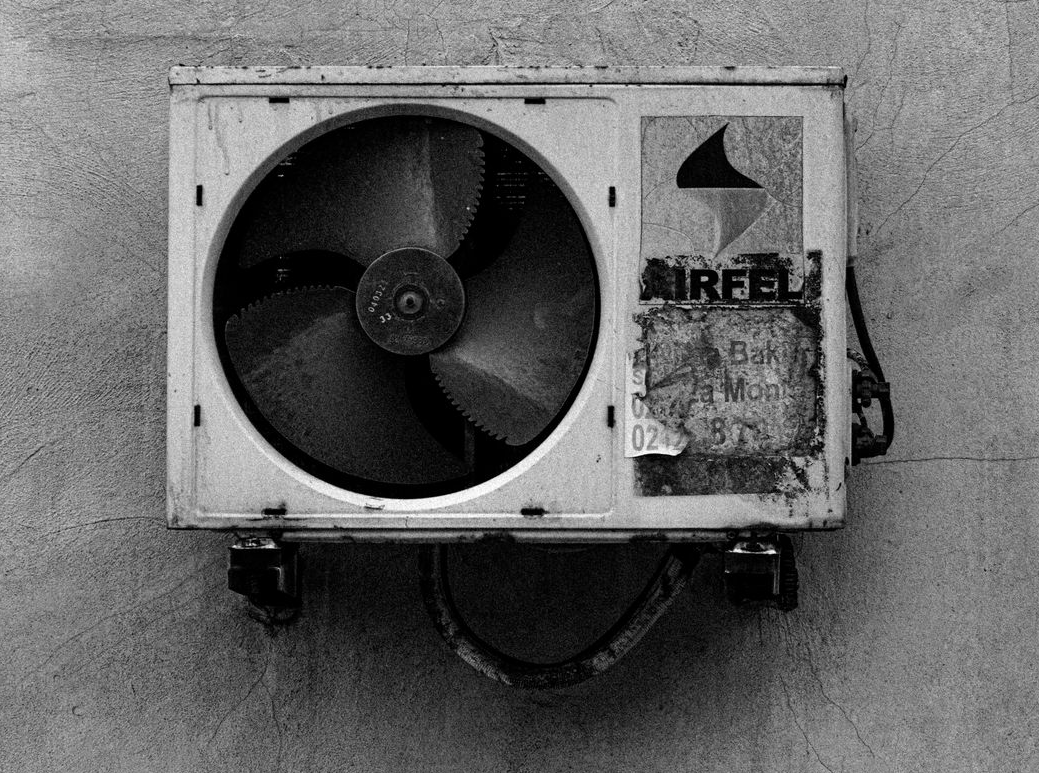
Your outdoor AC unit in your NEPA yard contains condenser coils that release the heat pulled from inside your home into the outdoor air. When those coils are coated with dirt, grass clippings and debris from the outdoor environment that heat transfer becomes inefficient. The AC runs and runs trying to disperse that heat outside until the breaker trips due to drawing too much current.
Refrigerant Leak
If your AC is leaking refrigerant your AC will have to work harder and use more power to cool your home. This causes your AC to draw more amps than your breaker can handle.
When refrigerant levels drop below the required charge your AC system loses its ability to transfer heat efficiently. The compressor compensates by running longer and working harder. That extended hard running draws more current than the circuit is designed to carry and the breaker trips.
Call Bee-lectric at (570) 325-5808 if your AC keeps tripping the breaker in your Northeastern Pennsylvania home.
Bad Capacitor
If your air conditioner is having trouble starting before the circuit breaker trips it points to a bad capacitor. A capacitor is responsible for starting the compressor and if the compressor has trouble starting it draws more current than the circuit can handle causing the breaker to trip.
The capacitor in your AC system gives the compressor motor the electrical boost it needs to start each cooling cycle. When the capacitor weakens or fails the compressor struggles to start and pulls an enormous amount of current trying to get going. That starting surge can exceed the breaker's rating and trip the circuit every time the compressor attempts to start.
Shorted Motor
Electric motors in your AC can run for hours and take quite a bit of abuse. But if a motor runs hot for too long the wire insulation can break down leading to an electrical short. A short is where electricity bypasses its normal path allowing more electricity to flow than the wires can handle causing the wires to overheat and the circuit breaker to trip.
Both the compressor motor and the blower motor in your AC system can develop shorts after years of operation. A shorted motor creates a direct path for current to flow outside the normal circuit path. That uncontrolled current flow trips the breaker immediately and will continue tripping it every time the motor attempts to run.
When the Problem Is Your Electrical System Not Your AC
This is the part that many NEPA homeowners do not consider. Sometimes a repeatedly tripping AC breaker has nothing to do with the air conditioner and everything to do with the electrical system feeding it.
Overloaded circuit
One of the most common reasons for a tripped breaker is an electrical overload. This occurs when your air conditioner is sharing a circuit with other high-power appliances or devices. When the combined electrical load exceeds the circuit's capacity the system is forced to shut down.
Your central air conditioner should be on a dedicated circuit that serves only the AC unit. In some older NEPA homes the AC circuit may share capacity with other devices. When that shared circuit carries the AC load plus other devices simultaneously the total current draw exceeds the circuit's rated capacity and the breaker trips. A licensed electrician can confirm whether your AC is properly on a dedicated circuit and correct the situation if it is not.
Loose or faulty wiring at the panel or disconnect
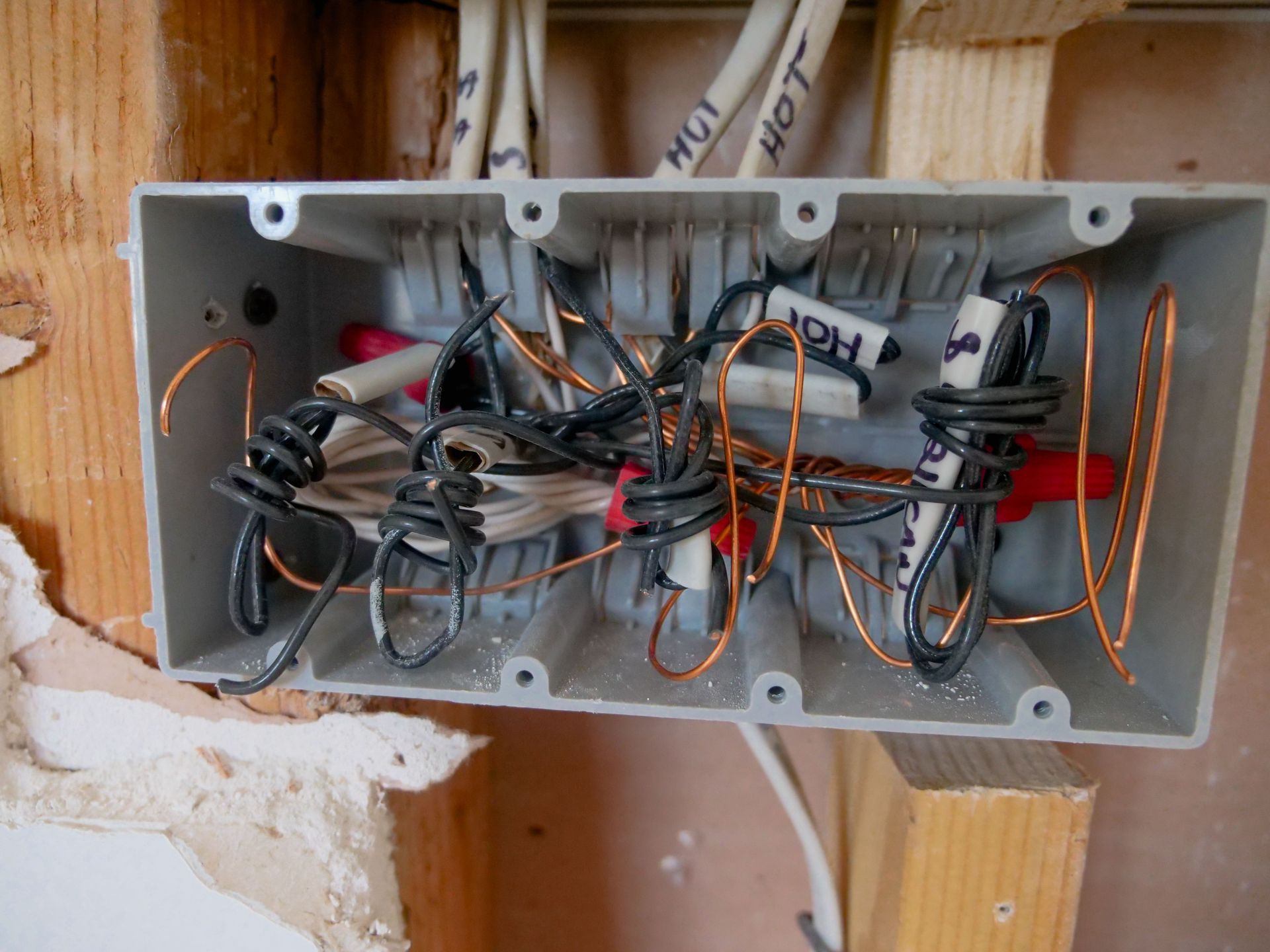
Your breaker box has many connecting wires that can become disconnected or loose over time. Temperature changes cause wires to expand and contract which is what makes them come loose. An electrician will need to tighten the connections and replace any faulty wires.
Loose wiring connections at your electrical panel or at the outdoor AC disconnect create resistance in the circuit that generates heat. That heat causes the breaker to trip even when the AC is not drawing an unusual amount of current. In Northeastern Pennsylvania where seasonal temperature swings between cold winters and hot summers create significant thermal cycling in electrical connections this type of loosening is more common than in moderate climates.
Failing circuit breaker
Your circuit breaker protects your home from electrical damage but with general wear and tear breakers can go bad over time. You will know your circuit breaker is bad if you notice it is hot to the touch. There is a burning odor around the breaker. There are black burn marks on the breaker or you see frayed wires.
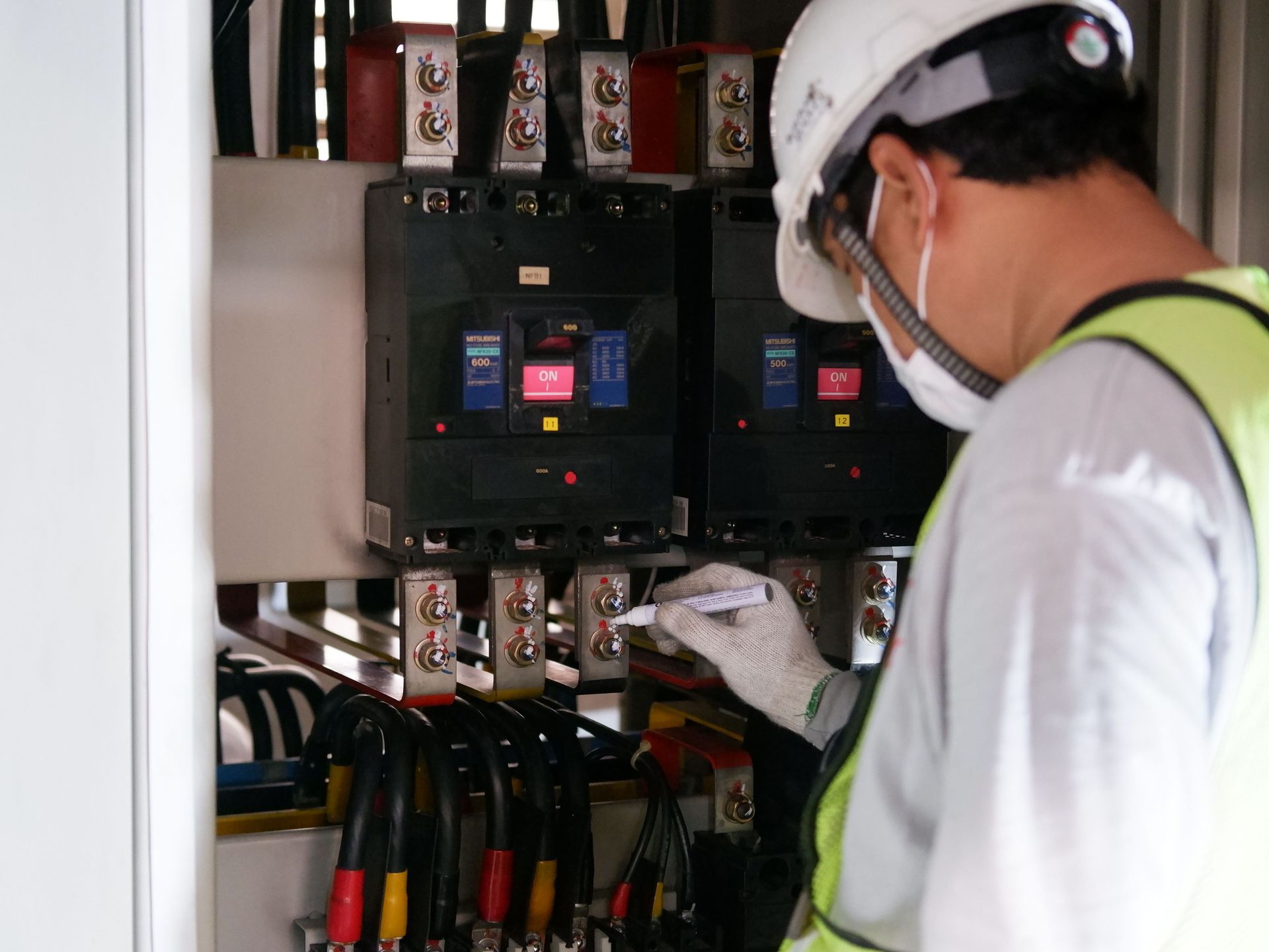
Circuit breakers have a service life. An aging breaker can lose its calibration and trip at current levels it should handle without interrupting. In NEPA homes with older electrical panels the AC breaker may be tripping because the breaker itself has degraded rather than because the AC is actually drawing excess current. A licensed electrician tests the breaker under load conditions to determine whether the breaker itself is the source of the problem.
Undersized circuit for the AC system
If your air conditioner is tripping your circuit breaker you may not have enough power to operate it. Since the air conditioner requires a lot of power to operate it may be tripping your circuit breaker because it is not compatible with the circuit. You may have to do something about the service panel itself.
When a NEPA homeowner upgrades to a larger or more efficient AC system without having the electrical circuit evaluated first the new system may draw more current than the existing circuit is rated for. A three-ton system that replaced a two-ton system in your NEPA home may require a larger circuit than what was installed for the original equipment. A licensed electrician sizes the circuit correctly for the specific AC system in your home.
What to Do When Your AC Keeps Tripping the Breaker in Your NEPA Home
Start with the simple maintenance checks. Replace the air filter if it is dirty. Clear debris away from the outdoor condenser unit and ensure adequate clearance. Reset the breaker once and observe whether it trips again immediately or after the system runs for a period of time.
If the breaker trips immediately when reset the problem is likely a short circuit or ground fault in the AC system or wiring. Do not continue resetting. Call a licensed electrician to assess the wiring and a licensed HVAC technician to evaluate the equipment.
If the breaker trips after the system runs for a period of time the problem is likely a heat-related overcurrent condition caused by dirty coils, a failing capacitor, refrigerant issues, or an electrical connection problem. Both an electrician and an HVAC technician may need to be involved depending on what the diagnosis reveals.
A Tripping Breaker Is a Warning Sign That Deserves a Real Answer
Your circuit breaker trips to protect your home. When it trips repeatedly every time your AC runs it is protecting your home from a condition that exists right now in your electrical system or your AC equipment. That condition does not go away when you reset the breaker. It waits for the next time the system runs.
The NEPA homeowners who avoid the most expensive outcomes are the ones who call a licensed electrician when the tripping starts rather than after repeated resets have degraded the wiring and the breaker to the point where a more serious problem develops.
Call Bee-lectric at (570) 325-5808 to schedule your electrical assessment in Northeastern Pennsylvania today.